Why Community Is the Missing Piece in Modern Wellness
In recent years, wellness has become increasingly focused on the individual. We are encouraged to develop morning routines, meditate, exercise, eat healthy foods, and invest in practices that support our personal growth. While these tools can be incredibly valuable, many people still find themselves feeling disconnected, isolated, and longing for something more. What if the missing piece isn’t another wellness practice—but community?
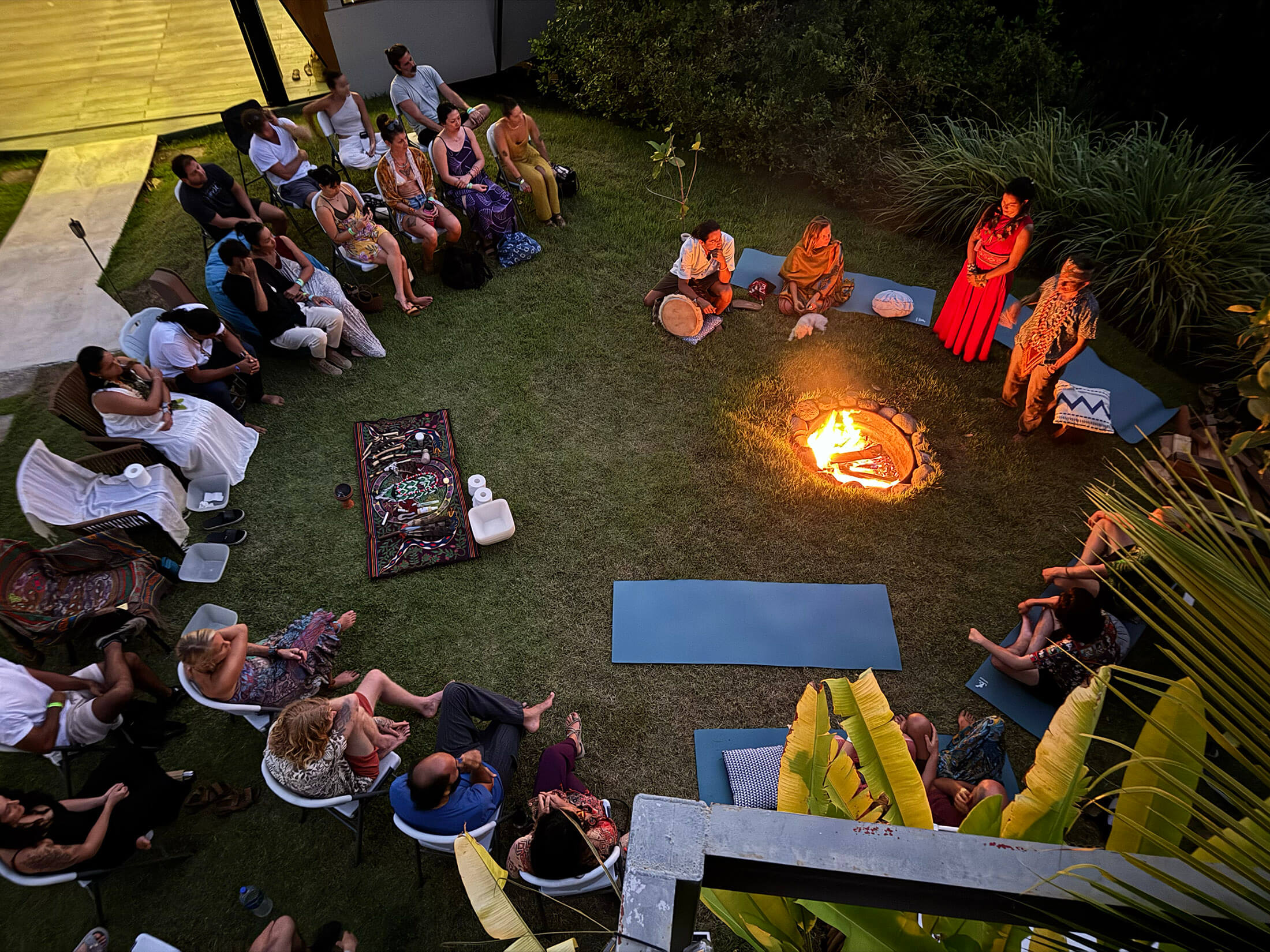
Throughout human history, healing was rarely a solitary experience. People gathered around fires, shared meals, celebrated milestones together, and relied on one another during times of challenge. Connection was not considered an optional aspect of wellbeing; it was an essential part of life.
Today, many of us have more access to wellness resources than ever before, yet loneliness and disconnection continue to rise. This growing paradox invites us to reconsider what true wellbeing really means.
Wellness Was Never Meant to Be a Solo Journey
Personal development can help us understand ourselves, but transformation often happens in relationship with others.
When we share our stories, witness someone else’s growth, or feel genuinely seen and supported, something profound occurs. We begin to remember that we are not alone in our struggles, aspirations, or healing journeys.
Research continues to show that strong social connections contribute to improved mental health, reduced stress, increased resilience, and even longer life expectancy. Yet beyond the scientific benefits, community offers something equally important: a sense of belonging.
Belonging reminds us that we are part of something larger than ourselves.
The Power of Shared Experiences
One of the most meaningful aspects of retreat experiences is the opportunity to connect with people from different backgrounds who often arrive with similar intentions.
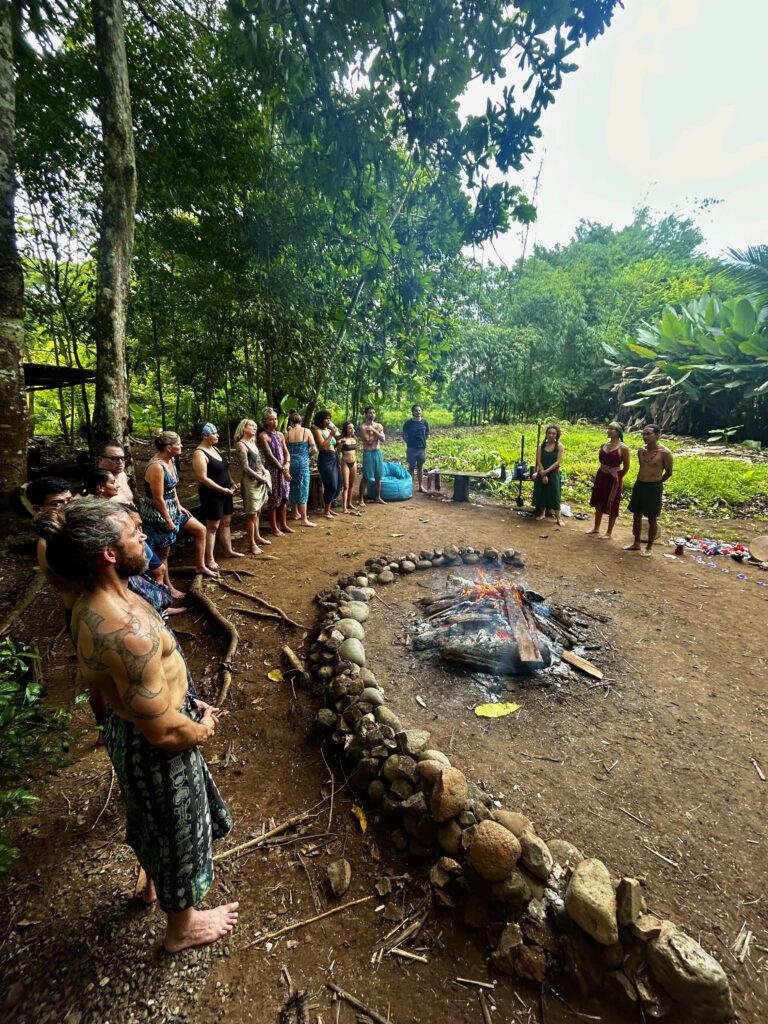
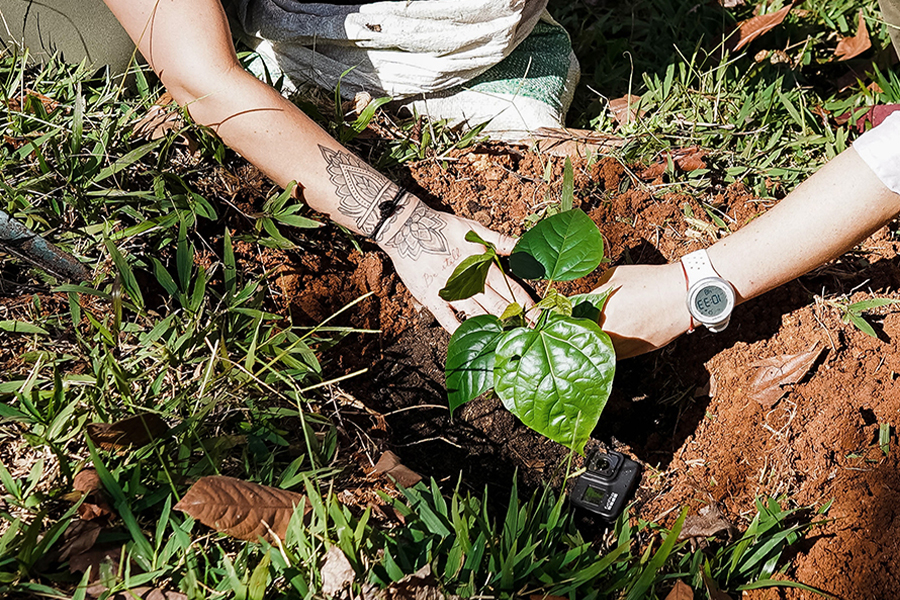
Whether it is sharing a meal after a workshop, participating in a group discussion, planting trees together, or walking through the forest in silence, these experiences create bonds that cannot be replicated through screens or social media.
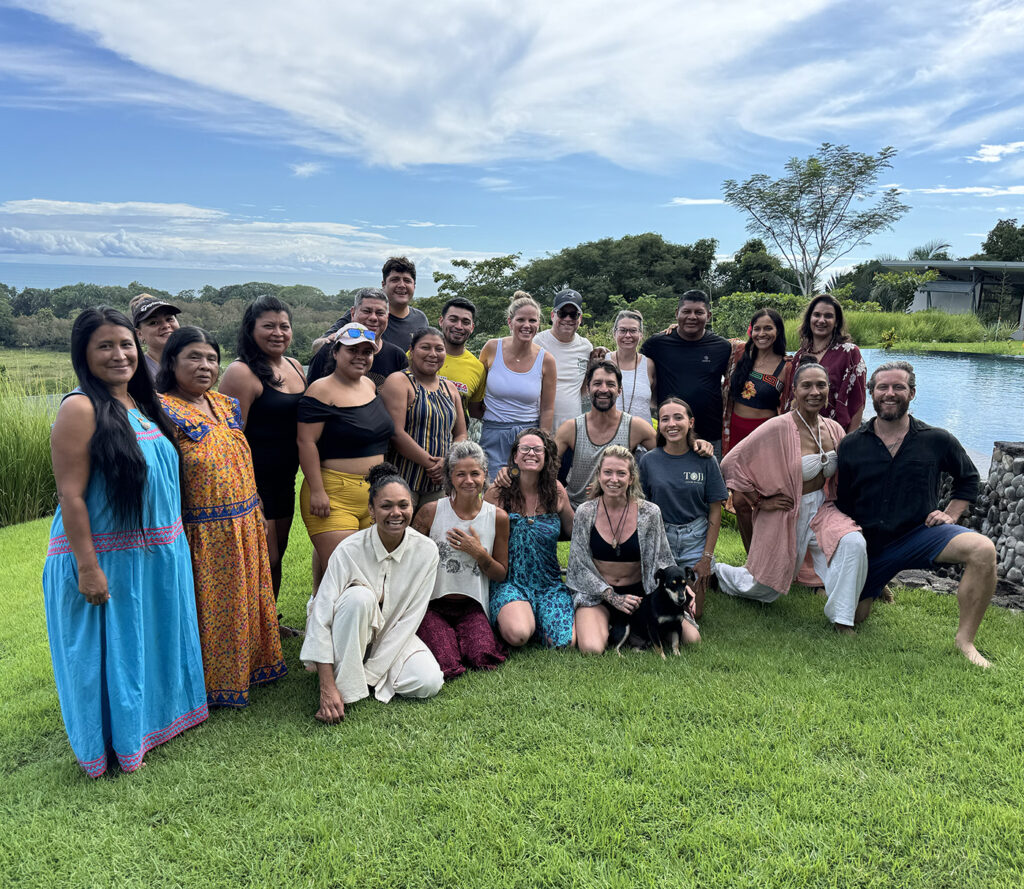
At Toji, we have witnessed countless moments where strangers become lifelong friends. People arrive seeking rest, clarity, or healing, and often leave with something unexpected: a supportive community that continues long after the retreat ends.
These connections remind us that wellness is not simply about self-improvement. It is about learning how to live in relationship—with ourselves, with others, and with the natural world.
Nature as a Gathering Place
For many cultures throughout history, nature has served as a space for community, ceremony, and connection.
When we gather outdoors, something shifts. Conversations become more authentic. We move at a slower pace. We become more present.
Whether through nature hikes, regenerative farming projects, natural building workshops, or simply sharing time beneath the trees, the natural world creates opportunities for meaningful connection that feel increasingly rare in modern life.
Nature not only supports individual wellbeing; it also strengthens our collective sense of belonging.
Returning to What Matters
In a world that often encourages independence and self-sufficiency, community invites us to remember an ancient truth: we are designed for connection.
The path to wellbeing does not have to be walked alone.
Sometimes the most transformative experiences are not found in a new practice or technique, but in gathering around a shared table, working alongside others, listening deeply, and remembering what it feels like to belong.
As we continue to explore new approaches to wellness, perhaps the greatest medicine available to us is something humanity has always known—the healing power of community.


Leave a comment