What Happens When a Community Plants Together

Some of the most meaningful moments in community building don’t happen in meetings or around a table, they happen with our hands in the soil. 

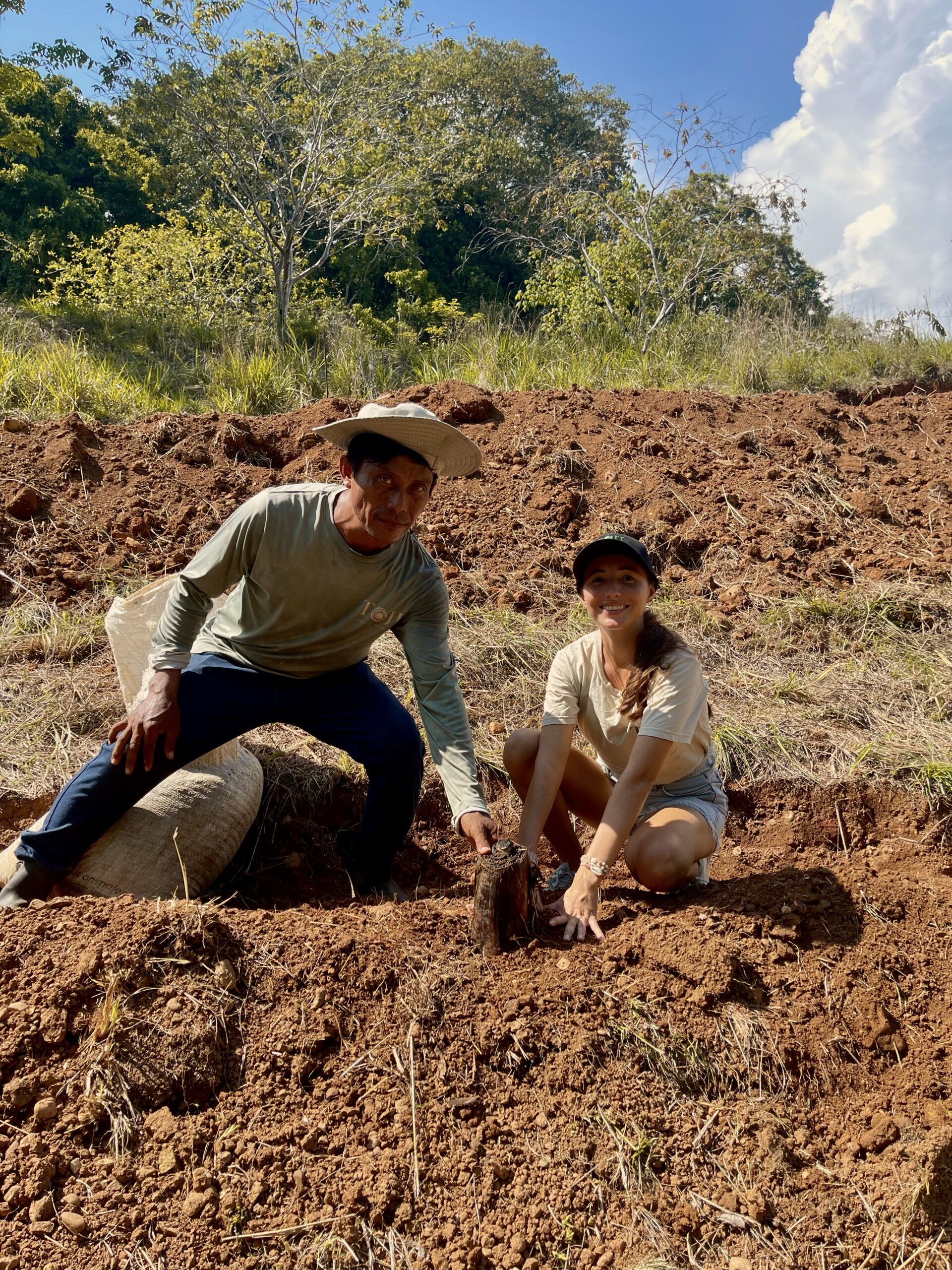
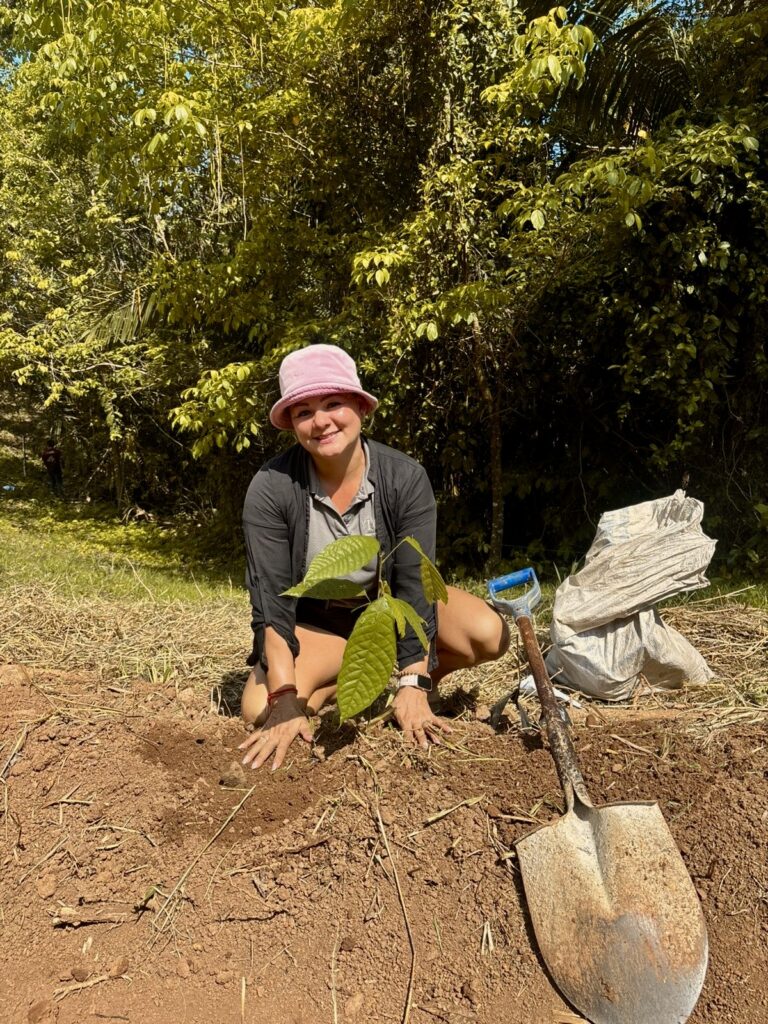
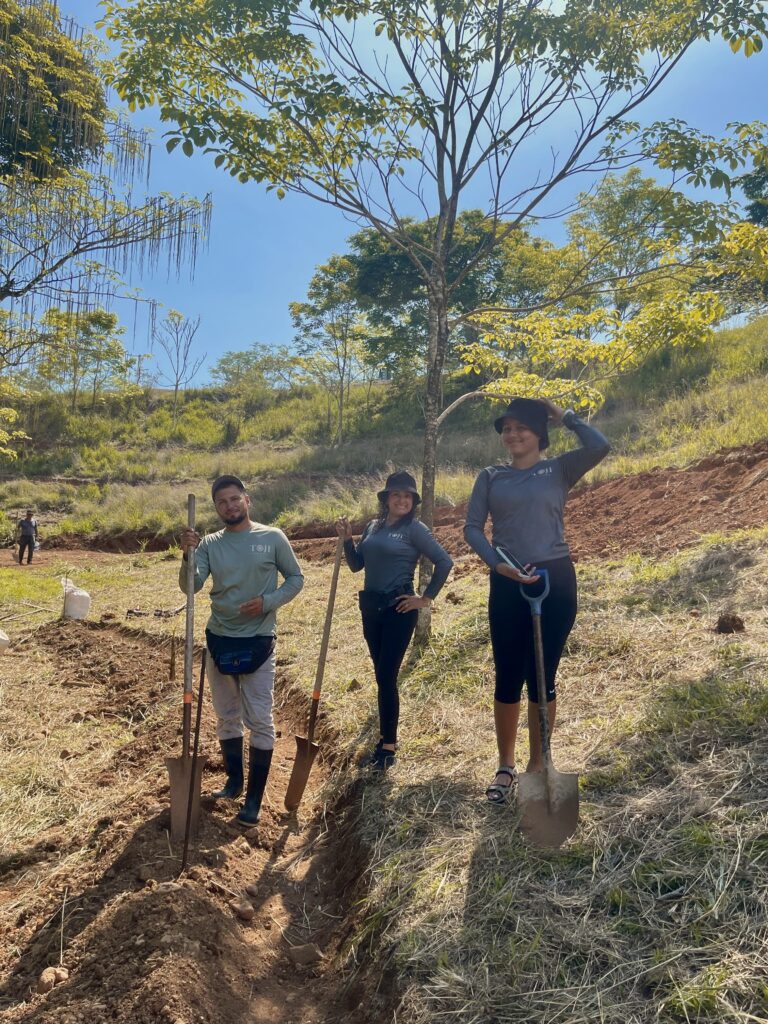
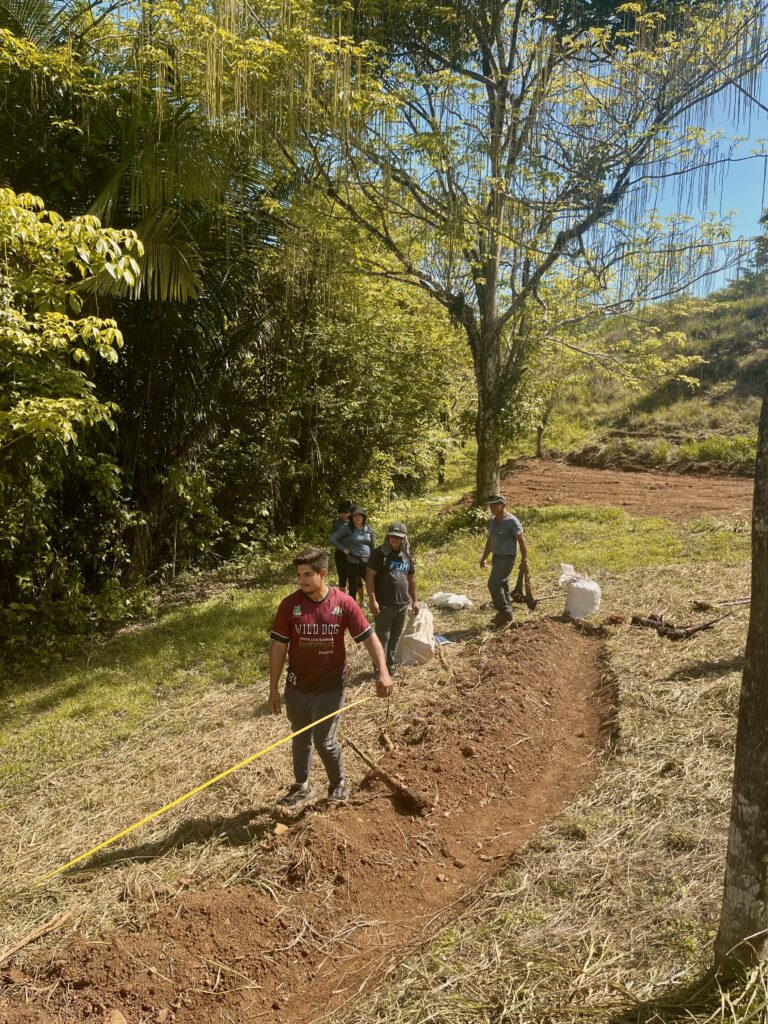
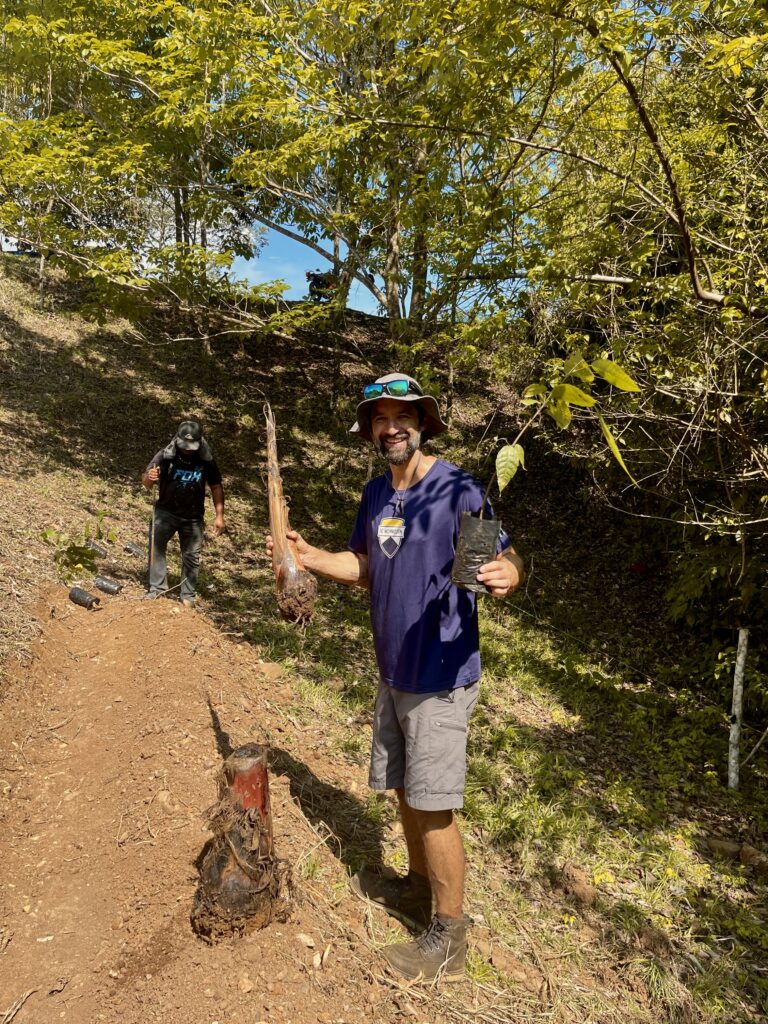
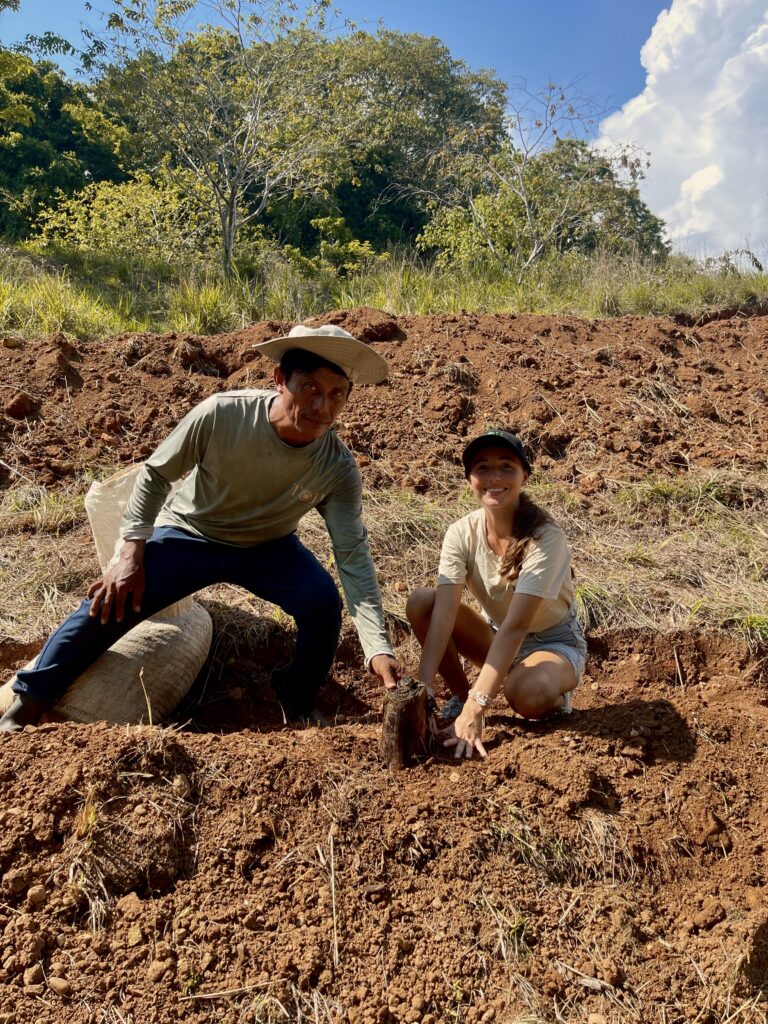
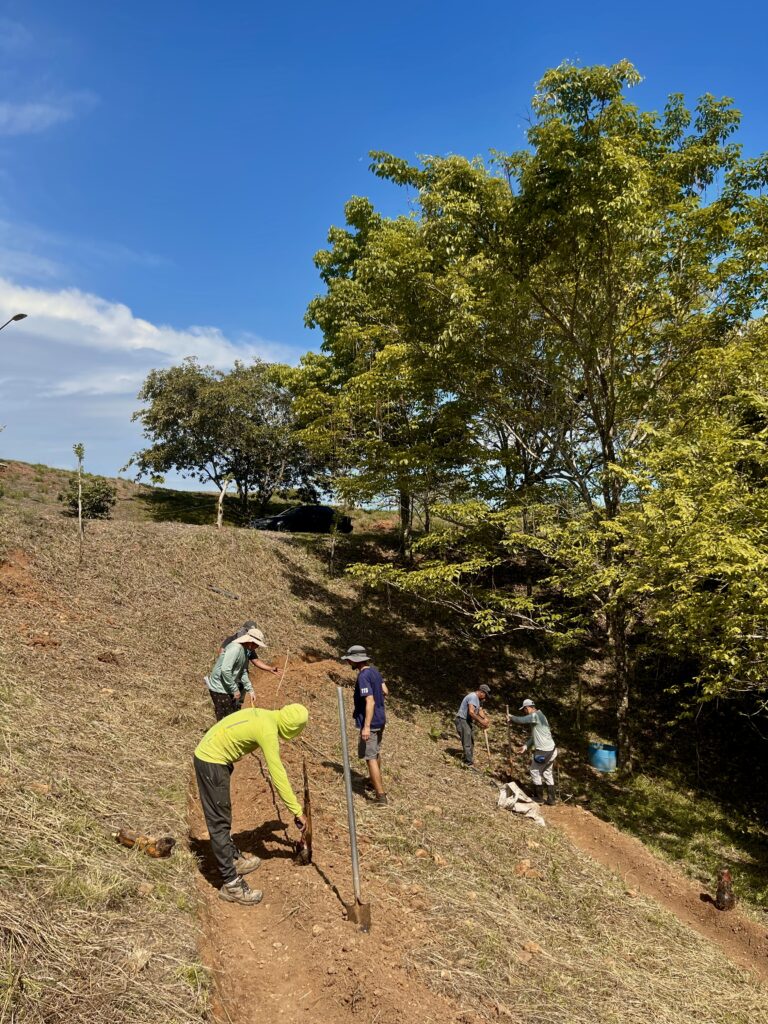
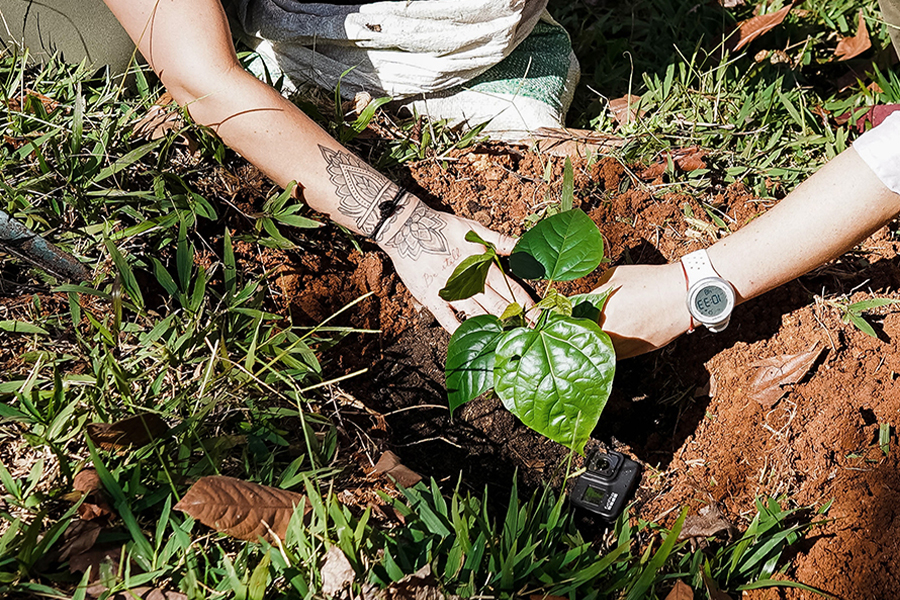
Recently, the Toji team came together for a planting session on one of the lots at Dos Colinas, where we’re developing our newest regenerative food system: the Coconut Food Forest. What began as a day of planting quickly became a reminder of what we’re truly cultivating together.

A food forest is much more than a collection of fruit trees. It is a living ecosystem designed to mimic the structure and resilience of a natural forest while producing food, supporting biodiversity, enriching the soil, and creating habitat for wildlife. Every species plays an important role, working together to create a healthier and more abundant landscape.

Our Coconut Food Forest is being developed with these principles in mind. While coconuts are the central element of the system, they will be surrounded by complementary plants that help regenerate the soil, attract pollinators, retain moisture, and increase biodiversity. Over time, this space will continue to evolve into a thriving ecosystem that benefits both people and nature.

But perhaps the most valuable part of this project wasn’t what we planted, it was who planted it.

By inviting our team to actively participate in the creation of this food forest, everyone became part of something much larger than a single day’s work. Planting together creates a sense of shared ownership. The trees are no longer just part of the landscape, they become something we all care for, observe, and celebrate as they grow.

This is one of the principles we believe is essential for building regenerative communities.

Regeneration isn’t only about restoring ecosystems. It’s also about restoring relationships, between people, between communities, and between humans and the land that supports them. Every tree planted together strengthens these relationships and reminds us that lasting change happens through collective action.

Projects like the Coconut Food Forest also create opportunities for learning. As we work alongside one another, we deepen our understanding of regenerative agriculture, circular economy practices, and the interconnectedness of natural systems. These experiences inspire curiosity, encourage collaboration, and empower each of us to become better stewards of the places we call home.

We hope this food forest will become more than a productive landscape. We envision it as a place where future residents, retreat guests, volunteers, and community members can gather to learn, harvest, and reconnect with nature.

Every coconut planted is an investment in the future. Not only because it will one day provide food, shade, and habitat, but because it represents a commitment to creating resilient systems that can nourish generations to come.

At Dos Colinas, we believe that thriving communities begin with thriving ecosystems. The Coconut Food Forest is one more step toward that vision, a place where regeneration is something we practice together, one tree at a time.

If you’d like to learn more about our regenerative initiatives and sustainability projects, visit our Sustainability page and discover how we’re working to cultivate a community where people and nature flourish together.

Leave a comment

Your email address will not be published. Required fields are marked *